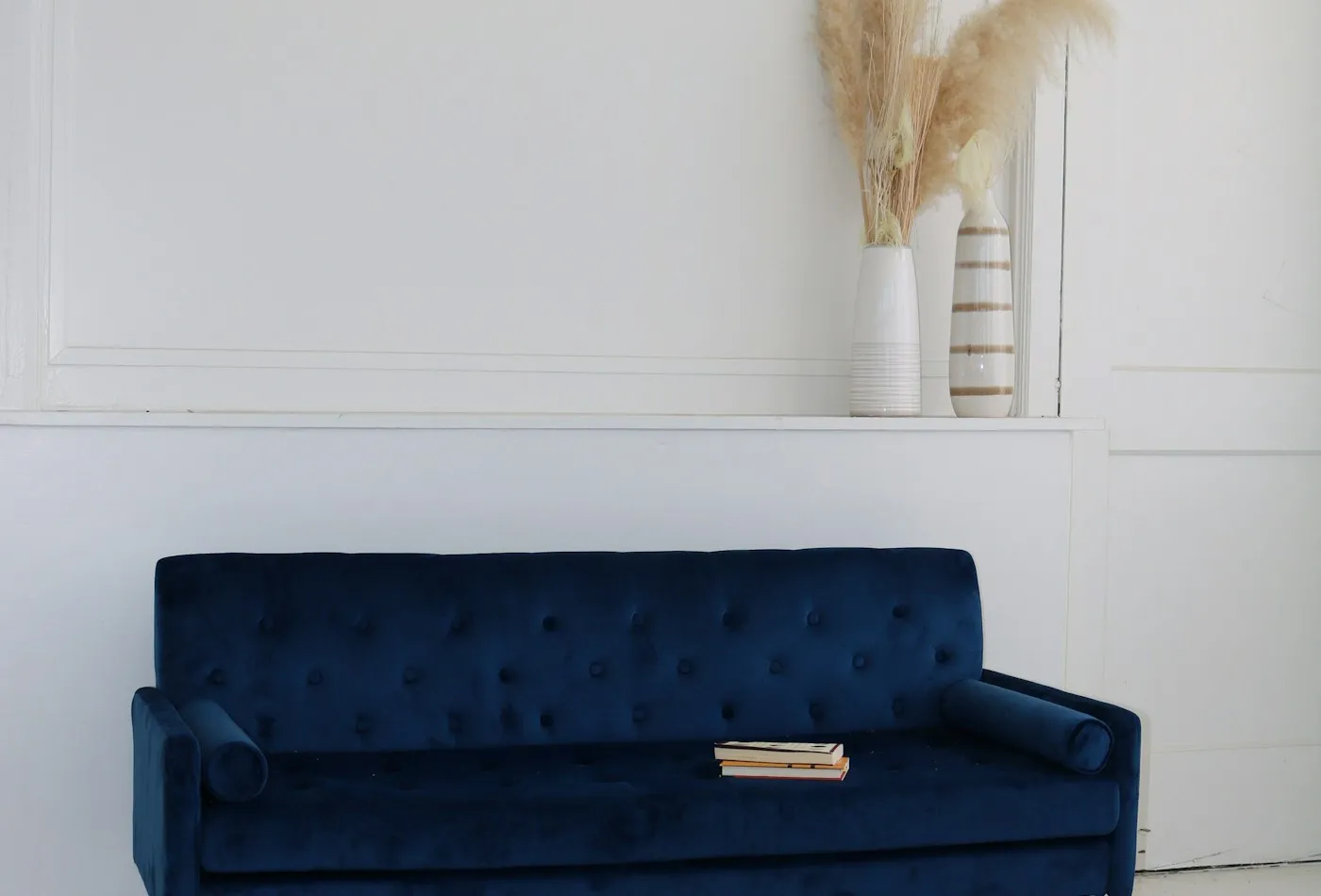
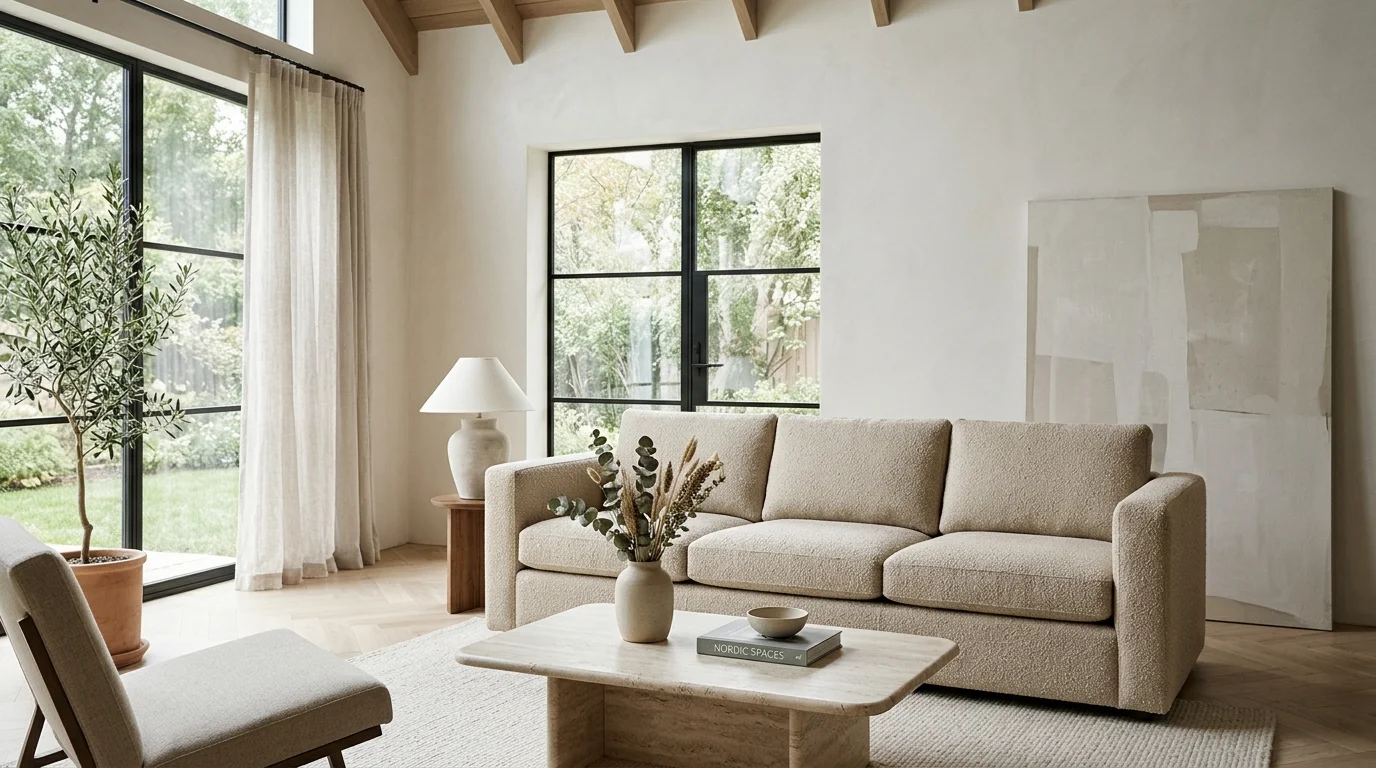
Three cushion couch: the short answer
A three cushion couch remains the quintessential centerpiece of contemporary living room seating. Characterized by three individually defined seat cushions over a matching or continuous base rail, this traditional configuration provides clear visual symmetry and unambiguous personal seating boundaries. For households that frequently host guests, families navigating movie nights, or individuals who value the ability to rotate and flip seat cores to prolong upholstery lifespan, the three cushion couch delivers an ideal balance of shared comfort and distinct personal space.
However, choosing a three cushion couch involves far more than simply selecting an appealing fabric swatch from a showroom catalog. The performance of a multi-cushion sofa depends on concealed structural engineering: the strength of the underlying hardwood frame, the tensile resistance of the spring suspension, the density and rebound rating of the core foam, and the total seating width between the armrests. Understanding how these mechanical components interact ensures that your new three cushion couch provides supportive, sag-free seating for a decade rather than succumbing to hollow cushions and creaking joints within its first two years.
In addition, the proportional harmony of a three cushion layout anchors a room visually. It provides a formal balance that anchors open-concept spaces without dominating peripheral sightlines, making it a reliable cornerstone for both classic and transitional design schemes.
Frame joinery and wood kiln-drying standards
The internal skeleton of a three cushion couch dictates its stability, structural rigidity, and resistance to sagging across a wide 84-to-96-inch span. The premier benchmark for sofa longevity is solid kiln-dried hardwood, such as FSC-certified European beech, American ash, alder, or maple. Kiln-drying removes internal moisture under controlled heat, reducing the wood's moisture content below 10 percent. This thermal treatment permanently prevents the timber from warping, twisting, bowing, or developing audible squeaks when subjected to changing residential temperatures and central heating cycles.
Inspect the joinery techniques used to assemble the primary load-bearing rails. Budget sofas often rely on thin particleboard or engineered oriented strand board (OSB) fastened with simple staples and light glue, which loosen quickly under shifting body weights. In contrast, an enduring three cushion couch utilizes mortise-and-tenon or double-doweled joinery reinforced with solid hardwood corner blocks that are both glued and screwed into position. When testing a sofa, lift one front corner six inches off the ground: the opposite front leg should lift immediately in unison. If the frame twists or the adjacent leg remains on the carpet, the frame lacks sufficient torsional rigidity.
Take note of the center leg support as well. Any three cushion couch measuring over 80 inches in exterior length should incorporate a heavy-duty, height-adjustable center leg beneath the middle rail. This fifth leg prevents long-term sag along the central span where the middle cushion carries repeated dynamic loads.
Suspension mechanics: eight-way hand-tied versus sinuous springs
The suspension platform beneath the seat cushions bears the brunt of everyday impact, determining whether a three cushion couch feels buoyant and supportive or bottomless and fatiguing. The traditional gold standard of luxury upholstery is an eight-way hand-tied spring system. In this artisan method, heavy-gauge steel coil springs are secured to webbing and painstakingly hand-tied with resilient twine in eight directions. This interconnected network distributes weight evenly across the entire frame, preventing localized spring sag and providing responsive, contoured seating comfort.
High-performance heavy-gauge sinuous steel springs (also known as S-springs or no-sag springs) represent the leading contemporary suspension standard for modern sofas. Built from 8-gauge heat-tempered steel wire bent into continuous S-shaped waves and anchored with insulated silent clips, sinuous systems provide exceptional linear support, a sleek lower profile, and decades of reliable bounce. Beware of sofas utilizing only elastic webbing without metal springs across a large three cushion couch span; elastic webbing inevitably stretches, fatigues, and sags under sustained family use, requiring costly professional reupholstering to restore.
Cross-wire stabilizing cables further enhance sinuous spring performance. Look for suspension setups where individual S-springs are linked horizontally with coated steel wire. This cross-tie system ensures that when pressure is applied to one cushion, neighboring springs share the load, preventing the center seat from sinking deeper than the outer perimeters.
Cushion filling cores, foam density, and maintenance routines
The interior construction of the seat cushions governs both immediate tactile comfort and long-term aesthetic resilience. Cushion foam is measured by density (mass per cubic foot) rather than firmness. Budget sofas frequently utilize lightweight 1.5-pound density polyurethane foam, which collapses and develops permanent body impressions within 12 to 18 months. An investment-grade three cushion couch requires high-resiliency (HR) foam cores with a minimum density rating of 2.0 to 2.5 pounds per cubic foot, ensuring the cushions quickly spring back to their crisp rectangular profile after you stand up.
To soften the initial sit, premium cushions wrap the high-density foam core in a plush outer envelope. Down-blend cushions sandwich the core inside baffled ticking filled with natural duck feathers and down, delivering a cloud-like initial sink and luxurious relaxed drape that requires occasional fluffing. For a lower-maintenance routine, high-grade dacron polyester fiber batting provides smooth crown contouring and soft padding without the ongoing plumping required by down fills. The distinct advantage of a three cushion couch over a bench-seat sofa is modular maintenance: you can rotate the high-traffic center and end cushions weekly, equalizing wear and doubling the lifespan of the upholstery.
Zipper access on cushion casings is an essential feature for long-term care. Reversible cushions with concealed, heavy-duty nylon zippers allow you to inspect the internal core foam, adjust fiber batting if shifting occurs, and send the covers to a professional cleaner if the manufacturer's care code permits.
Seating ergonomics: interior width, depth, and back pitch
Ergonomic comfort on a three cushion couch depends entirely on the relationship between total exterior width and usable interior seating space. While an 84-inch sofa may look substantial in a showroom, broad rolled armrests can consume 10 to 12 inches on each side, leaving only 60 inches of actual cushion width. In that cramped space, each seat measures just 20 inches across, making three adult occupants feel uncomfortably squeezed shoulder-to-shoulder. For true three-adult comfort, seek a three cushion couch with slender track arms or tailored shelter arms that preserve at least 68 to 78 inches of clear internal seat width.
Seat depth and back cushion pitch are equally decisive for physical relaxation. Standard formal seating depth measures 21 to 23 inches from the front welt to the lumbar cushion, supporting an upright, conversational posture where your feet rest flat on the floor. If your family prefers lounging, curling up with a book, or afternoon napping, opt for a deep-seated three cushion couch offering 24 to 26 inches of interior depth. Ensure the back cushions provide supportive lumbar engagement; overly soft, unbaffled back pillows tend to sag downward, forcing the lower spine into an unsupported slump during extended TV viewing.
Armrest height should also be evaluated against your relaxation habits. A low, padded track arm (roughly 22 to 24 inches high) provides a comfortable natural headrest when lying down for an afternoon nap, whereas a tall tuxedo arm creates a tailored architectural enclosure that supports conversational arm positioning.
Upholstery textiles: martindale rub counts, performance weaves, and leather
The fabric draped over a three cushion couch must endure thousands of friction cycles, pet paws, beverage spills, and direct ultraviolet light exposure. When comparing upholstery textiles, always consult the manufacturer's Wyzenbeek or Martindale double-rub abrasion rating. For standard residential use, a fabric should exceed 15,000 double rubs; for active households with children, dogs, or frequent entertaining, demand heavy-duty commercial performance fabrics tested to 30,000 to 50,000+ double rubs.
Performance textiles woven from solution-dyed acrylic, crypton, or high-density polyester offer built-in liquid resistance and stain-repellent barriers, allowing spilled coffee or red wine to bead on the surface rather than penetrating into the cushion core. Textured linen-cotton blends and tactile bouclé fabrics provide organic Scandinavian warmth and rich multidimensional character, though they require tighter weaves to resist pet snagging. Full-grain and top-grain aniline leathers develop a magnificent, supple patina over years of use, naturally repelling dust mites and cleaning easily with a damp cloth, making a leather three cushion couch a timeless heirloom investment.
Consider fabric colorfastness and light exposure when positioning your sofa. If placed near south-facing windows, UV-resistant dyes or performance weaves prevent unsightly fading along the exposed armrests and cushion tops, maintaining vibrant, even coloration across years of sunny afternoons.
Living room layout, spatial clearances, and coffee table pairing
Integrating a three cushion couch harmoniously into a living room requires careful spatial planning and adherence to essential interior design clearances. As the largest visual mass in the seating group, the sofa should anchor the conversational perimeter without blocking natural walking paths from entryways to balconies. Maintain at least 36 inches of clear walkway behind or around the couch to allow smooth household transit, and leave 14 to 18 inches of clearance between the front edge of the cushions and your coffee table, enabling comfortable legroom while keeping drinks within easy arm's reach.
Scale your coffee table to the proportions of the sofa: a rectangular or oval coffee table should measure roughly one-half to two-thirds the length of the three cushion couch. If floating the sofa in the center of an open-concept great room, inspect the tailoring of the rear back panel. A high-end sofa features seamless, taut upholstery across the entire back carcass, allowing it to act as an attractive architectural room divider when paired with a low console table and ambient table lamps.
Pairing the couch with an appropriately sized area rug is essential for cohesive room grounding. The front legs of the three cushion couch—and ideally all four legs—should rest comfortably on the rug, extending at least 8 to 12 inches beyond the sofa arms on either side to visually unify the seating arrangement.
Delivery logistics, doorway clearances, and pre-purchase checklist
Before finalizing your order for a three cushion couch, measure every doorway, hallway turn, staircase landing, and elevator entrance along the delivery path. Because a full-size sofa spans 84 to 96 inches with a diagonal depth often exceeding 34 inches, navigating tight 90-degree stairwell corners can pose severe delivery challenges. Verify whether the couch features removable screw-in wooden legs, which can reduce delivery height by 4 to 6 inches and ease clearance through standard 32-inch residential doorways.
Once delivered, conduct a comprehensive pre-acceptance inspection: verify that all three cushions fit snugly without unsightly gaps, the welt cords and seams run straight and true, and the fabric is free of tension puckers or pulled threads. A thoughtfully chosen three cushion couch built upon a solid hardwood frame, resilient sinuous steel suspension, and high-density foam cushioning will provide your home with luxurious comfort, enduring durability, and timeless living room elegance for years to come.
Retain manufacturer warranty documentation, fabric cleaning codes (such as W, S, WS, or X), and any extra matching fabric swatches. Having verified care instructions on hand simplifies spot cleaning and ensures you never apply an unapproved water-based or solvent-based cleaner that could void your upholstery warranty.