Why white dining table and wooden chairs sets dominate modern Scandinavian interiors
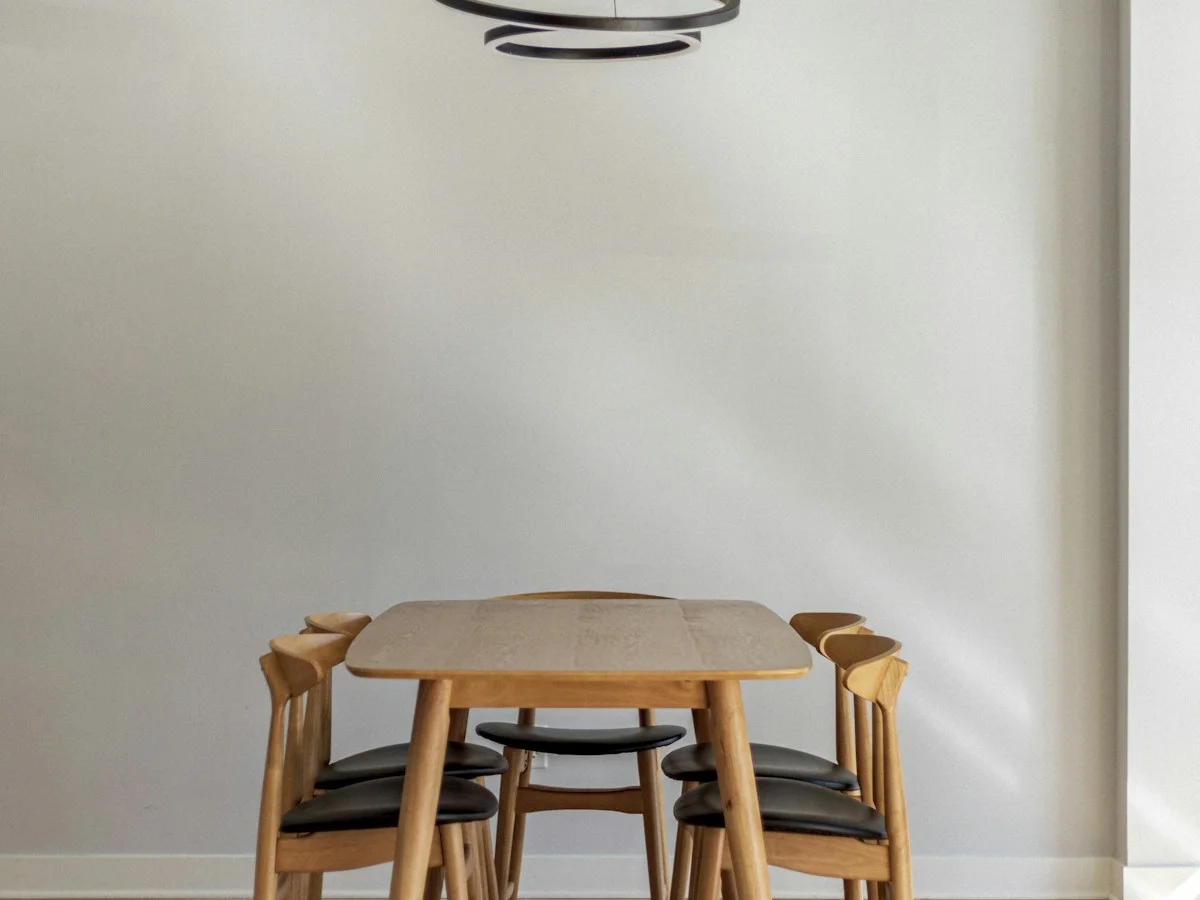
In contemporary residential interior design, few furniture combinations achieve the enduring visual balance of a white and wood table and chairs set. All-wood dining furniture can occasionally make smaller apartments or dim dining nooks feel heavy, shadowy, and visually enclosed. On the other hand, stark, all-white dining tables often risk feeling clinical, cold, or reminiscent of commercial office break rooms. Blending crisp white surfaces with natural honey or blonde wood tones creates an inviting organic harmony that reflects sunlight into the room while preserving textural coziness.
Investing in a white and wood table and chairs set delivers unmatched stylistic versatility across multiple design movements. Whether your home embodies Scandinavian minimalism, modern coastal living, Japandi simplicity, or transitional farmhouse warmth, the clean two-tone aesthetic adapts effortlessly. The white surface provides a neutral canvas for seasonal ceramics, linen runners, and colorful diningware, while the natural timber elements tie into existing hardwood flooring and architectural kitchen millwork.
However, purchasing a white and timber dining suite set requires looking beyond attractive catalog staging. The daily wear experienced by dining furniture—ranging from steaming coffee pots and spilled marinara to coloring markers and abrasive silverware—demands robust material engineering. Discerning shoppers must examine how the white tabletop is finished, what timber species supports the frame, and how securely the chair legs are anchored to withstand active family dinners.
Evaluating tabletop materials: matte lacquer, high-pressure laminate, and solid wood
The tabletop surface of a white and wood table and chairs set bears the primary brunt of household activity. The chemical composition and durability of this white surface directly dictate how easily it stains, scratches, or absorbs heat rings over years of daily service.
High-pressure laminate (HPL) and thermally fused melamines represent the most resilient tabletop options for busy households. High-grade architectural laminates feature non-porous resin-saturated layers that resist acidic food spills (such as balsamic vinegar, citrus juices, and tomato sauce) without absorbing pigments. Modern matte nano-laminates (such as Fenix NTM) even provide thermal scratch-healing properties and anti-fingerprint resistance, making them premier selections for families with young children seeking a low-maintenance two-tone dining table and chairs setup.
Painted or lacquered solid wood and MDF tabletops offer a velvety, artisanal visual finish. However, traditional polyurethane-coated white painted surfaces require mindful stewardship. Excessive heat from serving dishes without trivets can blister white lacquer or leave yellowed thermal rings, and heavy ceramic mugs can chip outer paint edges. If selecting a painted white and wood table and chairs set, confirm that the manufacturer applies a catalyzed multi-layer clear conversion topcoat for enhanced chip resistance.
Engineered stone and solid composite tops supply luxurious permanence. A white sintered stone or quartz slab mounted over solid oak legs creates an ultra-durable two-tone centerpiece that remains completely impervious to heat, red wine, and knife scratches, though it adds significant weight to the dining table assembly.
Selecting frame timbers: white oak, European beech, rubberwood, and ash
While the tabletop commands initial visual attention, the longevity of a white and wood table and chairs set rests entirely upon the timber species chosen for the legs, aprons, and chair frames. Selecting a resilient hardwood prevents wobble and joint separation.
Solid American White Oak and European Ash are gold standards for the wooden components of a white tabletop and wood chair set set. White oak (Janka hardness 1,360 lbf) possesses tight, closed cellular pores and prominent cathedral grain figures that withstand repeated shoe scuffs and vacuum cleaner bumps without denting. When finished with a clear matte oil or low-sheen sealant, white oak legs introduce authentic architectural warmth that beautifully complements clean white tabletops.
Solid European Beech (Janka 1,300 lbf) is historically prized in classic mid-century Scandinavian furniture (such as iconic Hans Wegner and Alvar Aalto designs). Beech features an exceptionally uniform grain texture and outstanding shock resistance, making it an elite timber for steam-bent chair backs and turned table legs in a white and wood table and chairs ensemble.
Solid Rubberwood (Parawood, Janka 960 lbf) serves as a budget-friendly, eco-conscious plantation hardwood common in mass-market dining sets. While moderately dense and stable, rubberwood is softer than oak or beech; ensure that rubberwood chair joints are reinforced with steel corner brackets to maintain rigidity across years of lively mealtime conversations.
Chair ergonomics, weight limits, and apron clearance calculations
A beautiful dining set becomes an everyday annoyance if the seating proportions do not align with human ergonomics. When configuring a Scandinavian two-tone dining furniture set, meticulous dimensional checking is essential to guarantee seamless comfort.
Begin by calculating the vertical apron clearance. Standard dining table heights range between 29 and 30 inches, with a standard chair seat height of 17.5 to 19 inches. The critical metric is the vertical distance between the top of the chair seat cushion and the lowest underside of the table apron or support frame. In an exceptional white and wood table and chairs set, this thigh gap should measure between 10 and 12 inches, providing ample freedom for adults to cross their legs comfortably beneath the table.
Inspect the structural connection between the chair legs and the seat basin. In two-tone Scandinavian chairs featuring molded white polypropylene or fiberglass seat shells perched atop splayed timber legs, evaluate the steel undercarriage mounting plate. High-quality chairs incorporate heavy 3mm stamped steel spider brackets secured with industrial nylon locking nuts that prevent leg splay and wobbling over time.
Furthermore, check dynamic weight ratings. Commercial-grade dining chairs in a white table with natural timber chairs collection should be rated to support at least 250 to 300 pounds in compliance with [BIFMA seating standards](https://www.bifma.org/), ensuring absolute peace of mind for hosts and guests alike.
Spatial planning: round versus rectangular two-tone dining configurations
The architectural footprint of your dining space should dictate the geometry of your white and wood table and chairs set. Choosing the appropriate silhouette maximizes room circulation and visual spaciousness.
In compact eat-in kitchens, breakfast nooks, or square dining rooms, a round two-tone kitchen table and chairs set (measuring 42 to 48 inches in diameter) offers unmatched spatial efficiency. Round tables eliminate sharp 90-degree corners, facilitating fluid perimeter pathways and promoting democratic, inclusive conversation where every diner shares equal visual connection. A single central white pedestal base paired with wooden chairs eliminates leg obstructions, allowing you to slide additional guest chairs into the circle when hosting.
For expansive open-concept great rooms or dedicated rectangular dining areas, an oblong or rectangular white and wood table and chairs set provides formal gravitas. A 72-inch rectangular dining table comfortably accommodates six chairs (two on each long side and one at each head), creating a commanding horizontal anchor that coordinates with kitchen islands and living room lounge zones.
Always maintain a minimum 36-inch clearance buffer between the back edge of pulled-out dining chairs and adjacent walls, credenzas, or doorways. If a high-traffic pedestrian walkway passes behind the dining area, expand that clearance envelope to 42 or 48 inches to ensure family members can walk past seated diners without sidestepping.
Cleaning protocols, stain mitigation, and surface preservation
Maintaining the pristine visual contrast of a white and oak dining suite set requires separate cleaning approaches for the white surfaces and the organic timber framework. Using inappropriate chemical agents can degrade matte coatings or discolor natural wood fibers.
For the white tabletop and chair shells, routine cleaning requires only warm water with a drop of pH-neutral liquid dish soap wiped with a soft microfiber cloth. For stubborn grease splatters or coffee rings on matte laminate or composite surfaces, a gentle paste of baking soda and water or a specialized melamine foam sponge removes surface discoloration without scratching the finish. Never apply abrasive scouring powders, bleach, or ammonia-based glass cleaners, which break down protective topcoats.
For the natural timber legs and frames of your two-tone dining collection set, protect the wood from excessive standing water. Wipe spills immediately along the wood grain rather than across it. Once or twice a year, apply a thin coat of natural paste wax or refined furniture oil in accordance with [USDA Forest Service timber care guidelines](https://www.fs.usda.gov/research/treesearch/62200) to keep the wood nourished against dry indoor winter heating.
Protect the tabletop from thermal shock by establishing a household habit of using cork or felt-backed trivets beneath hot cookware, pizza boxes, and simmering serving bowls. Direct contact with temperatures exceeding 140°F can leave permanent white clouding or ring marks on lacquered surfaces.
Comprehensive buyer checklist for white and wood table and chairs sets
Before executing your dining set investment, methodically evaluate each candidate against this verified editorial standard. First, examine the underside joinery of the table; look for heavy solid hardwood corner stretchers secured with steel hanger bolts and locking washers rather than simple dowels or screws driven into soft particleboard.
Second, verify chair ergonomics and leg stability. When sitting in the chairs, ensure the backrest offers comfortable lumbar flex and that the feet sit flat on the floor with zero front-thigh pinch. Third, confirm that floor protection is provided; ensure every wooden leg terminates in a high-density nylon or heavy felt glide to prevent gouging delicate hardwood floors.
By approaching the market with careful attention to tabletop durability, solid hardwood species, and ergonomic clearances, choosing a white and wood table and chairs set ensures your dining area gains an elegant, light-filled focal point that withstands decades of joyous shared meals and everyday gatherings.